
Periodontal Therapy – New Bedford, MA
Keep Your Whole Smile Safe

Early gum disease, also known as gingivitis, is relatively subtle, and it might be possible to reverse it if you practice good oral hygiene and have a professional cleaning performed. More advanced cases need an expert’s touch. Here at Sound Dentistry, you can receive treatment from a board-certified periodontist to keep advanced gum disease from spreading any further and causing widespread damage throughout your mouth. Call us today to set up a consultation to discuss options for periodontal therapy in New Bedford, MA if you’ve noticed redness, bleeding, or other signs of gum disease.
Why Choose Sound Dentistry for Periodontal Therapy?
- Board-Certified Periodontist on Staff
- Advanced Chao Pinhole Technique
- Arestin Antibiotics Available
Scaling & Root Planing
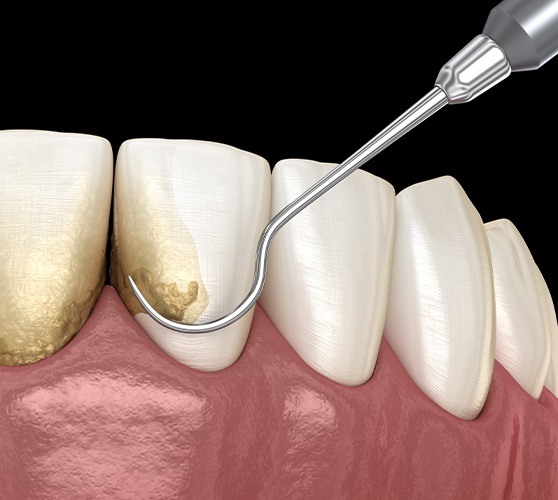
Pockets can form between the teeth and gums as a result of untreated gum disease. Plaque can get trapped in these pockets, where they can’t be removed with regular brushing. In order to remove the plaque and tartar causing gum disease before it causes bone and tooth loss, scaling and root planing need to be performed. Continue reading to learn how this process works and whether you’re a good candidate for this treatment.
Do I Need Scaling & Root Planing?
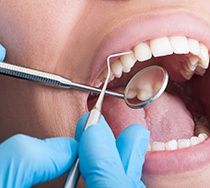
Our team may recommend a deep cleaning called scaling and root planning if you have gum disease. Keep an eye out for the following symptoms:
- Bleeding during brushing or flossing
- Receding gums
- Persistent bad breath
- Noticeable plaque accumulation
- Swollen or tender gums
While mild gum disease can often be managed with improved oral hygiene at home, more advanced stages may require this treatment to halt its progression and support gum health. Regular dental checkups are key to identifying these issues early for timely and effective care.
The Process of Scaling & Root Planing

Scaling and root planing is typically completed over multiple appointments and involves two key steps. First, we use an ultrasonic scaler to remove plaque and tartar from your teeth, thoroughly cleaning both above and below the gumline, including the gum pockets.
Next is the root planing, where we smooth the tooth roots to make it harder for bacteria to accumulate, reducing the risk of future infections. To keep you comfortable, we administer local anesthesia before the procedure. While you may feel some pressure during treatment, you shouldn’t feel any pain.
Aftercare Tips for Scaling & Root Planing

Recovering from scaling and root planing can take a few weeks, as teeth and gums may feel sensitive and uncomfortable during healing. To support recovery:
- Rinse with Saltwater – After meals, rinse with warm saltwater (¼ teaspoon salt in 8 ounces of water) to ease irritation and remove debris.
- Brush Gently – Use a soft-bristled toothbrush, brushing in circular motions to avoid irritation and bleeding.
- Mind Your Diet – Avoid hot, spicy, acidic foods, alcohol, and tobacco. Stick to soft foods for the first 48 hours.
- Limit Activity – Avoid intense physical exertion immediately after the procedure to promote healing.
By following these tips, you can enhance comfort and speed up recovery.
Arestin Antibiotic Therapy
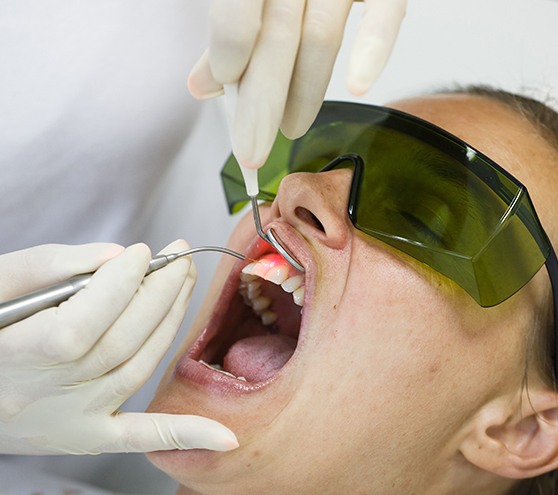
After scaling and root planing are performed, antibiotic therapy may begin. Some bacteria will likely remain deep in the gum tissue, so antibiotics are required to keep fighting the infection. The treatment is fairly simple; the microspheres containing the antibiotic are placed directly in the pockets so that the medication can be released at regular intervals over the course of a few weeks. Studies shown that antibiotic therapy tend to improve pocket reduction as the patient recovers.
Chao Pinhole Technique

Once the plaque and tartar contributing to gum disease has been dealt with, what can we do to reverse the gum recession that has already occurred? One possible solution is the Chao Pinhole Technique. This minimally invasive procedure simply involves loosening the existing gum tissue in order to expand and slide it so that it covers the exposed parts of the tooth again. It’s a very minor surgery that allows for quick recovery without having to worry about sutures.
Gum Disease FAQs
Is it better to see a periodontist for gum disease treatment?
If you’re debating between seeing a general dentist and a periodontist, you should consider a few important factors before making your decision. Periodontists have specialized training in gum disease treatment in New Bedford, as well as its diagnosis. As such, they often offer specialty services to do this, like Chao Pinhole Technique. For this reason, they’re able to provide you with a more comprehensive treatment plan to manage your infection and prevent tooth loss in the future.
Does gum disease ever go away?
The early stage of gum disease, called gingivitis, can be reversed when it’s caught and treated early on, which is just another reason why you should schedule checkups with your dentist every six months! However, after the disease has advanced into periodontitis, management of the infection to keep it from progressing any further is the best course of action.
At Sound Dentistry, our board-certified periodontist, Dr. Govostes, has completed years of advanced training following dental school in gum disease treatment. As such, he’s able to create detailed, personalized treatment plans to preserve your smile and improve your oral health.
I have heard there is a connection between gum disease and other diseases. Is that true?
Gum disease has been connected to an increased risk of a number of medical conditions, including:
- Diabetes
- Stroke
- Heart disease
- Heart attack
- High blood pressure
- Pregnancy and pre-term birth risks
Because of this, our team places special emphasis on diagnosing the disease as early as possible. Our goal is to preserve not just your smile, but also boost your overall health.
How can I manage gum disease while pregnant?
Did you know that if you’re pregnant, you’re at a higher risk of developing gum disease? Additionally, if you already have gum disease and are pregnant, it can be more difficult to manage. Working with a board-certified periodontist in New Bedford is an excellent place to start. We can develop a plan to keep your infection from advancing, helping prevent tooth loss and minimize birth risks, which periodontitis has been connected to.
Is gum disease treatment worth the cost?
Yes! If your dentist recommends that you receive gum disease treatment, it’s always worth the investment. When treated early on in its development, you can avoid permanent consequences, such as tooth loss. And, although it may not be completely covered by your dental insurance, periodontal therapy is much less costly than a tooth extraction and replacement!